
Regulation
I like to think of regulation as having all the resources I need to meet the current demands of my internal and external environments. Regulation is an umbrella term. You may hear of many different types of regulation: emotion, attention, behavior, energy, etc.. Regulation challenges will effect a child’s ability to engage and thrive at home and school.
In clinical practice, occupational therapists often encounter children who are referred to occupational therapy for regulation issues. In contrast to children who mostly display calmness, controlled behavior, and engagement in their environment, children with regulation challenges not only express more negative, aggressive emotions and behaviors (Dodge, 1989), they are less able to accurately assess their own emotion states (Cook et al., 1994).
Window of Tolerance
Early in infancy, the playful exchanges between infant and caregiver expand the “window of tolerance” which is the degree of emotional intensity the baby can hold without becoming dysregulated (Siegel,1999). This regulation experience continues as the child ages and this window of tolerance is stretched in the context of play.
Play & Regulation
Play is about testing the limits of regulation through escalating and recovery, re-regulating through repair when the play goes too far. Consider dress-up and imaginary play. Dressing up as a superhero allows a child to move fast, be powerful, play with volume, interact with villains, etc… Trying out these experiences in a costume allows for experimenting with a range of physical and emotional expressions under the guise of being someone else, a superhero. When something doesn’t go as planned in the play, it isn’t the child who got in your personal space, got too loud, etc…, it is the superhero. This allows for a quicker repair and recovery of the escalation.
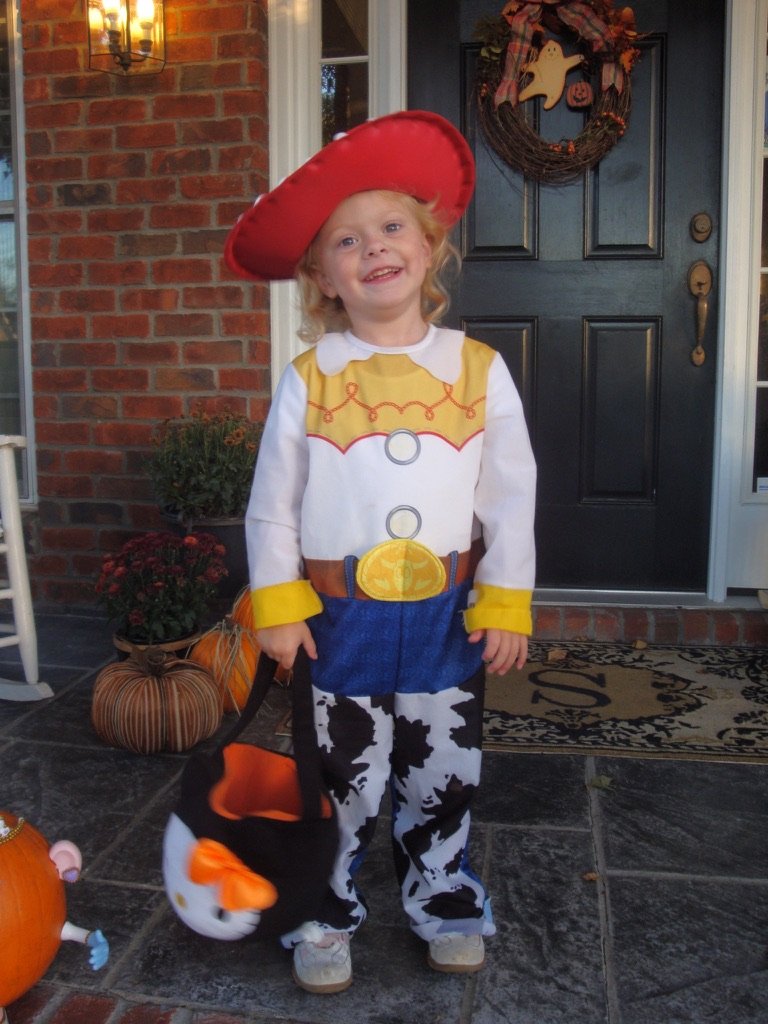
Dress-up is one type of play. All types of play have opportunities for experimenting with personal limits of regulation. Think about sledding or playing in the snow. We experiment with the limits of speed or how cold we want our bodies to get. Playing with dolls or other figures allows us to have the figure/doll act in proxy of us with our ideas. Playing sports stretches our ability to play within rules, encounter disappointment/loss, celebrate achievement/wins, and act in consideration of teammates. Regulatory experience through PLAY is vital to expanding the window of tolerance and growing our personal resources in order to meet the daily demands of our lives.
How can you play today?
References:
Cook, E. T., Greenberg, M. T., & Kusche, C. A. (1994). The relations between emotional understanding, intellectual functioning, and disruptive behavior problems in elementary-school-aged children. Journal of Abnormal Child Psychology, 22(2), 205.
Dodge, K.A. (1989). Problems in social relationships. In E.J. Mash & R.A. Barkley (Eds.) Treatment of childhood disorders. New York: Guilford Press.